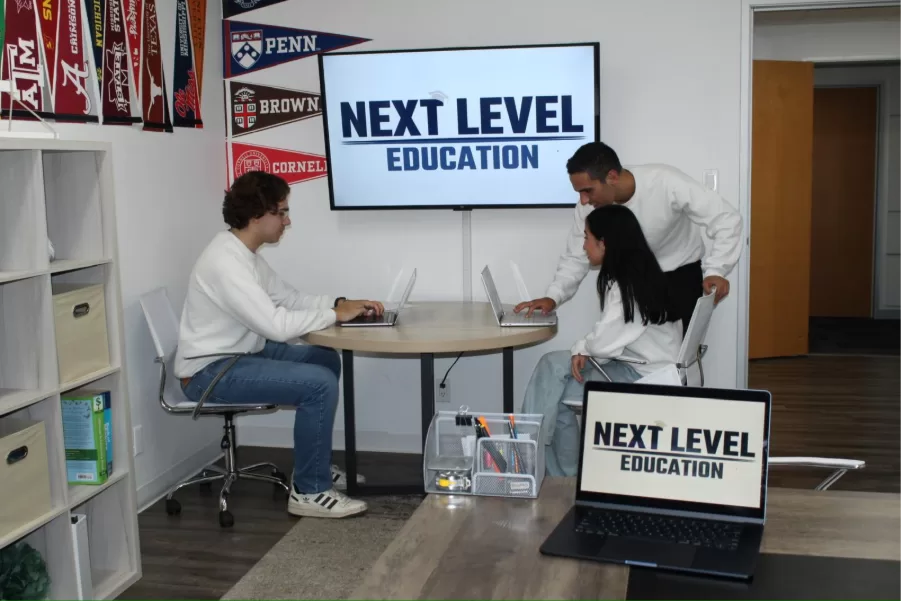
Preparing for the PSAT is an important academic step for high school students who aim to strengthen their college readiness and improve future SAT performance. Because every student learns differently, a single preparation method does not work for everyone. This is where PSAT online preparation from Next Level Education plays a crucial role. Online prep programs are designed to support a wide range of learning styles by offering flexible, personalized, and interactive learning experiences. Understanding how these programs adapt to different learners helps students maximize their potential and approach the PSAT with confidence.
The PSAT evaluates critical reading, writing, and math skills that students develop over time. While school instruction lays the foundation, focused preparation helps students understand the test format, manage time effectively, and apply strategies that improve accuracy. Online PSAT prep is especially effective because it allows students to learn in ways that match their individual strengths rather than forcing them into a single rigid structure.
The Importance of Learning Styles in Test Preparation
Learning styles describe the ways students prefer to absorb, process, and retain information. Some students learn best by seeing information visually, while others prefer listening, reading, writing, or hands on practice. When preparation methods align with these preferences, students are more engaged and more likely to retain what they learn.
Traditional classroom settings often move at a fixed pace and rely on limited teaching formats. This can leave some students struggling or disengaged. Online PSAT prep addresses this challenge by offering multiple learning formats within a single program. Students can interact with material in ways that feel natural and effective for them, creating a more productive study experience through structured pre professional PSAT preparation programs that support diverse learners.
Visual Learners and Online PSAT Prep
Visual learners understand information best when it is presented through images, charts, diagrams, and videos. Online PSAT prep programs are highly effective for these students because they provide visual explanations that break down complex concepts into clear and manageable parts.
For example, math problems can be demonstrated step by step using visual layouts that show how formulas are applied. Reading comprehension strategies can be taught using highlighted passages and structured outlines. Grammar rules can be organized into charts that make patterns easier to recognize. Visual learners also benefit from recorded lessons that allow them to pause, replay, and review content as needed.
By consistently presenting information in visual formats, online PSAT prep helps these learners build understanding and confidence without feeling overwhelmed.
Auditory Learners and Online PSAT Prep
- Auditory learners understand and retain information best through listening and verbal explanations.
- Online PSAT prep supports these learners with live tutoring sessions and recorded lectures.
- Spoken explanations of questions and strategies help clarify difficult concepts.
- Hearing why an answer is correct or incorrect improves reasoning and comprehension.
- Live sessions allow students to ask questions and participate in discussions.
- Interactive conversations strengthen understanding and memory.
- Recorded lessons offer repetition so students can listen multiple times.
- Replaying explanations helps reinforce concepts until they are clear.
- Verbal instruction keeps auditory learners engaged and focused.
- This approach makes PSAT preparation feel more natural, interactive, and effective.
Reading and Writing Learners and Online PSAT Prep
Students who prefer reading and writing learn best through text-based materials. Online PSAT prep programs offer detailed written lessons, practice questions with thorough explanations, and opportunities for note taking and review.
These learners benefit from reading strategy guides, writing summaries, and analysing written feedback on practice tests. Many online platforms allow students to track mistakes and review explanations in depth, which supports deeper understanding. Digital tools also make it easier to organize notes and revisit key concepts regularly.
By providing strong written resources, online PSAT prep ensures that reading and writing learners have the structure they need to succeed.
Kinesthetic Learners and Online PSAT Prep
Kinesthetic learners understand concepts best through active participation and hands on practice. While online learning is often seen as passive, high quality PSAT prep programs include interactive elements that engage these learners effectively.
Timed practice tests simulate real exam conditions and help students build stamina and focus. Interactive exercises require students to actively apply concepts rather than simply review them. Regular problem solving and strategy application help kinesthetic learners learn through doing.
Some students also combine online prep with physical note taking or practice sessions away from the screen. This blended approach allows kinesthetic learners to stay engaged while benefiting from the flexibility of online tools.
Personalization and Adaptive Learning
One of the strongest advantages of online PSAT prep is personalization. Many programs begin with diagnostic assessments that identify a student’s strengths, weaknesses, and learning preferences. Based on these results, study plans are adjusted to focus on the areas that need the most improvement.
Adaptive learning systems change the difficulty and focus of practice questions as students’ progress. If a student struggles with a particular math topic or reading skill, the system provides additional practice and explanation. This ensures that time is spent efficiently and that students are not overwhelmed by material they have already mastered.
Personalized learning benefits all learning styles by meeting students where they are and allowing them to move forward at their own pace with guidance from experienced educators.
Flexibility and Self-Paced Learning
Online PSAT prep allows students to study when and where they feel most comfortable. This flexibility is especially helpful for students who need more time to process information or who balance academics with extracurricular activities.
Self-paced learning reduces pressure and allows students to focus fully during study sessions. Visual learners can spend extra time reviewing diagrams. Auditory learners can replay explanations. Reading and writing learners can carefully analyse text. Kinesthetic learners can schedule shorter, more frequent practice sessions.
This level of control over the learning process helps students stay motivated and reduces stress.
The Role of Expert Instruction
- Self-study is valuable, but expert guidance plays a key role in effective PSAT preparation.
- Online programs with experienced instructors offer added support and motivation.
- Instructors help students clarify difficult concepts and stay encouraged.
- Tutors explain topics using multiple methods to match individual learning preferences.
- Teaching styles are adjusted based on how each student learns best.
- Personalized feedback helps students understand mistakes and improve faster.
- Tutors assist in setting realistic and achievable study goals.
- Expert guidance includes strategies for time management during the test.
- Instructors also help students manage test anxiety and build confidence.
Combining expert instruction with flexible online tools creates a supportive learning environment, supported by dedicated academic teams highlighted on the About Us page.
Progress Tracking and Motivation
Seeing progress is a powerful motivator. Online PSAT prep programs typically include dashboards or reports that show improvement over time. Students can track scores; review completed lessons and identify areas that still need work.
For visual learners, progress charts provide clear evidence of growth. For kinesthetic learners, completed tasks and milestones offer a sense of accomplishment. Regular feedback helps all students stay focused and confident.
Progress tracking also allows parents and educators to support students more effectively by understanding where help is needed and by reaching out through dedicated student support and contact services when guidance is required.
Reducing Test Anxiety Through Familiarity
Many students experience anxiety when preparing for standardized tests. Online PSAT prep helps reduce this anxiety by familiarizing students with the test format and question types well in advance.
Practice tests simulate real exam conditions, making the actual test feel less intimidating. Clear explanations and structured preparation plans help students feel prepared rather than uncertain. As confidence grows, anxiety naturally decreases.
When students feel supported and understand what to expect, they are more likely to perform at their best.
Long Term Academic Benefits
The benefits of PSAT online prep extend beyond a single exam. Students develop study habits, critical thinking skills, and self-discipline that support long term academic success. Learning how to identify strengths and weaknesses and adjust study strategies is a valuable life skill.
By accommodating different learning styles, online prep helps students become more aware of how they learn best. This awareness can improve performance in future courses and exams, including the SAT and college level work.
Conclusion
Understanding how PSAT online prep supports different learning styles highlights the importance of personalized education. By offering visual, auditory, reading and writing, and interactive learning options, online prep programs create inclusive and effective study environments for all students.
Flexible scheduling, adaptive learning, expert instruction, and progress tracking work together to meet individual needs and reduce stress. Students are empowered to learn in ways that feel natural to them, leading to stronger engagement, higher confidence, and better results.
As education continues to evolve, online PSAT preparation stands out as a powerful tool that respects learning differences and helps students reach their full academic potential.