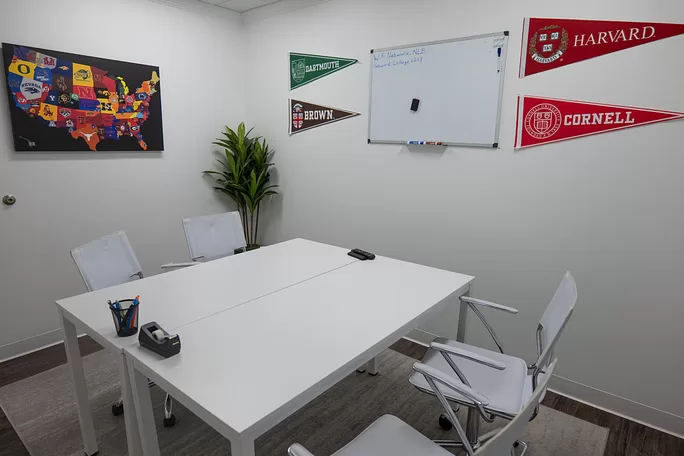
Every year, thousands of students believe that the key to getting accepted into a top college is joining as many clubs, sports teams, and extracurricular activities as possible. This common misconception often leads students to overload their schedules with activities that lack purpose or meaningful involvement. However, college admissions officers consistently emphasize that they are not looking for students who simply participate in everything. Instead, they seek applicants who demonstrate passion, commitment, intellectual curiosity, and personal growth through a few meaningful experiences.
The reality is that colleges value depth far more than quantity. A student who dedicates years to a research project, launches a community initiative, publishes creative work, or participates in a meaningful academic program often stands out more than someone with a long list of unrelated activities.
In today’s competitive admissions landscape, students must focus on building a profile that reflects genuine interests and academic engagement. Experiences such as research projects, entrepreneurship initiatives, creative pursuits, and advanced academic programs can help students showcase their strengths in a way that resonates with admissions committees.
This article explores the types of activities that truly impress college admissions officers and how students can use them to build a compelling application.
Why Colleges Prefer Quality Over Quantity
Admissions officers review thousands of applications every year. While grades and test scores remain important, extracurricular involvement helps colleges understand who a student is beyond the classroom.
A lengthy activity list may seem impressive at first glance, but admissions teams quickly look for evidence of:
- Leadership
- Initiative
- Intellectual curiosity
- Commitment
- Impact
- Personal growth
Students who spend several years developing expertise in a specific area often leave a stronger impression than those who participate briefly in numerous activities.
For example, a student who spends two years conducting independent research and presenting findings demonstrates dedication and academic maturity. Similarly, a student who creates a community project or participates in a youth leadership initiative showcases initiative and problem-solving skills.
The key question admissions officers ask is not, “How many activities did this student join?” Instead, they ask, “What did this student accomplish, learn, and contribute?”
Research Projects Demonstrate Intellectual Curiosity
One of the most valuable experiences for college-bound students is participating in research.
Research allows students to explore subjects beyond the standard high school curriculum while developing critical thinking and analytical skills. It demonstrates a willingness to engage with complex ideas and pursue knowledge independently.
Benefits of research experience include:
- Developing problem-solving skills
- Learning academic methodologies
- Building subject-matter expertise
- Demonstrating intellectual initiative
- Strengthening college essays
Students interested in science, business, psychology, engineering, humanities, or social sciences can all benefit from research opportunities.
Earning a research certificate through a structured academic program can further validate a student’s commitment to scholarly exploration and help distinguish their application from other candidates.
Research experiences are particularly impactful because they show colleges that students are capable of engaging with college-level academic work before arriving on campus.
Academic Projects Showcase Initiative
Independent academic projects are another excellent way to stand out.
Unlike traditional classroom assignments, self-directed projects require students to identify a problem, develop a plan, and execute it successfully. These projects reveal qualities that colleges highly value.
Examples include:
- Building a mobile application
- Writing a research paper
- Conducting a community survey
- Designing an engineering prototype
- Creating an educational website
- Developing a social impact initiative
These projects provide tangible evidence of a student’s interests and abilities.
When students pursue academic projects related to their intended major, they strengthen the overall narrative of their college application and demonstrate authentic engagement with their chosen field.
Entrepreneurship Experiences Leave a Lasting Impression
Entrepreneurship is increasingly recognized as a valuable activity by college admissions officers because it combines creativity, leadership, innovation, and real-world problem-solving.
Students who participate in an entrepreneurship program for students often gain practical experience in:
- Business planning
- Market research
- Team collaboration
- Financial literacy
- Leadership development
Whether a student launches a small business, develops a nonprofit initiative, or participates in a youth entrepreneurship program, these experiences highlight initiative and resilience.
Colleges appreciate entrepreneurial students because they demonstrate the ability to identify challenges and create solutions independently.
Programs that offer a certificate in entrepreneurship can further strengthen a student’s profile by providing formal recognition of their learning and accomplishments.
Leadership Matters More Than Membership
Many students assume that simply joining clubs is enough to impress admissions committees. However, leadership roles often carry significantly more weight than membership alone.
Leadership does not necessarily require a formal title. Students can demonstrate leadership by:
- Organizing events
- Mentoring younger students
- Leading community projects
- Creating new initiatives
- Managing teams
- Solving organizational challenges
Admissions officers are interested in students who take action and create positive impact.
For example, a student who develops a tutoring initiative using online tutoring services to support underserved learners demonstrates leadership, service, and problem-solving skills all at once.
The focus should always be on meaningful contributions rather than collecting titles.
Creative Pursuits Showcase Passion and Original Thinking
Creative activities provide another powerful avenue for standing out in college admissions.
Students who dedicate themselves to writing, music, visual arts, filmmaking, or other creative disciplines demonstrate persistence, imagination, and self-expression.
Particularly valuable experiences include:
- Publishing original work
- Participating in competitions
- Building a creative portfolio
- Producing independent projects
- Collaborating on artistic initiatives
Students interested in writing can benefit from creative writing classes online or online creative writing courses that help them develop advanced storytelling and communication skills.
Creative work often provides rich material for personal essays because it reflects a student’s unique voice and perspective.
Admissions officers frequently remember applicants who showcase genuine passion through creative endeavors.
Internships and Real-World Experiences Add Value
Hands-on learning opportunities can significantly strengthen a student’s application.
Internships expose students to professional environments while helping them develop practical skills and industry knowledge.
Examples of impactful experiences include:
- Research internships
- Business internships
- Nonprofit work
- Startup involvement
- Community service leadership
Participating in an entrepreneurship internship for students or a startup internship program can provide valuable insight into innovation and business development.
These experiences show colleges that students are willing to step outside their comfort zones and engage with real-world challenges.
Admissions officers often view internships as evidence of maturity, initiative, and career exploration.
Academic Enrichment Programs Make Students Stand Out
Structured enrichment programs can help students pursue advanced learning opportunities that may not be available in their schools.
These programs often provide:
- Mentorship
- Research opportunities
- Collaborative projects
- College-level coursework
- Skill development
Programs like Next Level Education’s Young Scholars initiative help students demonstrate meaningful academic engagement through specialized learning experiences.
Students preparing for rigorous academic environments may also supplement their learning through resources such as ACT preparation courses or a SAT exam practice test, which help strengthen foundational academic skills while preparing for future college admissions requirements.
While test preparation alone does not impress colleges, a commitment to academic growth and self-improvement certainly does.
Building a Cohesive Student Profile
One of the biggest mistakes students make is pursuing activities that appear impressive rather than activities that align with their interests.
Colleges prefer applicants whose experiences tell a consistent story.
For example:
Future Scientist
- Research project
- Science competitions
- Laboratory internship
- Research publication
Future Entrepreneur
- Startup project
- Business competition
- Youth entrepreneurship program
- Entrepreneurship internship
Future Writer
- Literary magazine
- Creative writing workshops online
- Published articles
- Writing portfolio
A cohesive profile helps admissions officers understand a student’s goals, passions, and potential contributions to campus life.
The strongest applications often reflect years of sustained engagement in a few carefully chosen areas.
What Admissions Officers Really Want to See
At the end of the day, colleges are looking for students who will contribute meaningfully to their academic communities.
Activities that tend to stand out include:
- Independent research
- Academic projects
- Entrepreneurship initiatives
- Leadership experiences
- Creative achievements
- Community impact projects
- Internships and mentorship programs
- Intellectual exploration beyond the classroom
Rather than focusing on building the longest resume possible, students should focus on pursuing experiences that genuinely excite them and allow them to grow.
Authenticity, commitment, and impact consistently matter more than quantity.
Conclusion
The activities that actually impress college admissions officers are not necessarily the most numerous or prestigious. Instead, they are the experiences that reveal a student’s character, curiosity, leadership, and dedication.
Research projects, entrepreneurship initiatives, creative pursuits, academic enrichment programs, internships, and meaningful leadership experiences all provide opportunities for students to demonstrate their potential.
By focusing on depth rather than breadth, students can create a stronger and more authentic college application that stands out in a competitive admissions process. The most successful applicants are often those who pursue their interests with passion, commitment, and a genuine desire to learn and make an impact.